Understand the numbers before you negotiate. If you plan to lease office space in the Cape Town CBD, you need a clear view of current rental levels, building grades, and market movement. Rental rates vary based on location, building quality, parking ratios, and landlord strategy. Tenants who understand these variables secure better deals and avoid overpaying. This guide gives you a practical breakdown of office rentals across P-grade, A-grade, and B-grade buildings, along with vacancy trends and absorption patterns shaping the market.
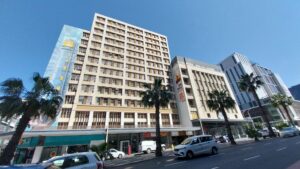
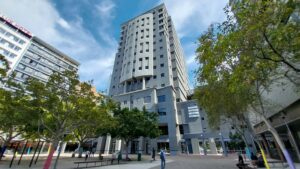
Rental levels in the CBD follow a structured hierarchy. Building grade directly impacts rental pricing, tenant profile, and lease flexibility. P-grade buildings represent the top tier of the market. These are newer developments or fully refurbished assets with strong ESG positioning, modern finishes, and high parking ratios. A-grade buildings form the bulk of the CBD office market. These buildings offer good-quality finishes, reliable infrastructure, and established tenant mixes. B-grade buildings are older assets with functional office space. These suit cost-sensitive tenants or businesses that prioritize location over building specification.
- P Grade – R275 – R325 per m²
- A Grade – R200 – R235 per m²
- B Grade – R150 – R185 per m²
Vacancy trends in the Cape Town CBD
Vacancy levels in the CBD remain elevated compared to pre-2020 levels, but the market has stabilized.
Find out more about Renting Office Space in Cape Town CBD
Current market pattern:
- P-grade vacancy is tighter due to flight-to-quality demand
- A-grade vacancy remains moderate with steady churn
- B-grade vacancy is higher, with slower take-up
Key drivers behind vacancy:
- Hybrid work reducing overall space demand
- Consolidation into higher-quality buildings
- Increased subleasing activity in certain sectors
What this means for you:
Higher vacancy gives tenants leverage. Landlords are more flexible on pricing, incentives, and lease structures, especially in A- and B-grade stock.
Absorption rates and demand patterns
Absorption measures how quickly space is taken up in the market. In the CBD, absorption trends show a clear shift in tenant behaviour.
Observed trends:
- Positive absorption in P-grade buildings driven by relocations
- Stable but slow absorption in A-grade stock
- Negative or flat absorption in older B-grade buildings
Tenant demand focus:
- Smaller, efficient office layouts
- Plug-and-play fitted spaces
- Buildings with backup power and water systems
Strategic takeaway:
Demand has not disappeared. It has shifted. Tenants want quality, flexibility, and operational reliability. Buildings that meet these criteria outperform the rest of the market.
How to approach your lease decision
You should treat rental rate as one component of a broader deal structure.
Focus on:
- Total occupancy cost (rent + parking + operating costs)
- Incentives (rent-free, tenant installation allowances)
- Lease flexibility (break options, expansion rights)
- Building resilience (power, water, connectivity)
The gap between asking rentals and effective rentals is often wide. Strong negotiation can reduce your effective rate by 10% to 25% depending on the building and lease term.
Next step: secure the right space
If you are reviewing your options in the CBD, you need real-time availability, not outdated listings. Access current opportunities, compare buildings, and identify where landlords are negotiating.
Start here:
Commercial Property to Rent Cape Town CBD
This gives you a clear view of available office space and allows you to act while favorable deals are still in the market.