Best Areas for Startups in Cape Town
Cape Town is a leading hub for startups in Africa. With strong infrastructure, access to skilled talent, and a growing support network, it’s a practical base for companies looking to grow. The city offers a mix of commercial hubs, creative spaces, and technology clusters. Choosing the right area can impact your costs, recruitment, and visibility.
Cape Town has established itself as South Africa’s leading startup hub. The city attracts entrepreneurs, technology companies, creative agencies, fintech businesses, software developers, e-commerce operators, and professional service firms looking to build and scale their businesses. Access to skilled talent, modern infrastructure, venture capital networks, and a growing innovation ecosystem continues to attract new businesses to the city every year. While Cape Town offers numerous commercial locations, not every area suits a startup business. Early-stage companies often have different priorities from established corporates. Rental costs, flexibility, accessibility, networking opportunities, public transport access, and company culture often influence location decisions more than prestige alone.
Below are the best areas in Cape Town for startups. This guide focuses on access to transport, business support, property availability, and affordability.
1. Cape Town CBD
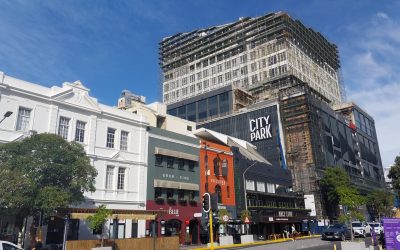
The Central Business District (CBD) remains a strong choice for startups. It offers a wide range of office space types, from co-working setups to formal offices. The Cape Town CBD remains one of the most important locations for startups despite its higher rental levels. Many entrepreneurs overlook the CBD because they assume it is exclusively suited to large corporates. In reality, the city centre offers several advantages that can support startup growth.
Why startups choose Cape Town CBD:
-
It’s close to public transport.
-
Most business services are nearby.
-
You can access financial, legal, and government offices quickly.
The CBD has seen strong investment in recent years. Buildings like The Box, 80 Strand, and The Rubik offer flexible options. Rental rates vary by block and size. You’ll also find shared office providers like Workshop17 and Ideas Cartel.
See all offices to rent in Cape Town CBD
Cape Town CBD suits startups in fintech, legal tech, media, and consulting. If you need to meet clients or pitch investors often, this area makes sense. Many startup founders spend significant time meeting clients, investors, legal advisors, accountants, and service providers. Being located in the CBD reduces travel requirements and places businesses at the centre of Cape Town’s commercial activity.
The rise of serviced office operators has also made the CBD more accessible to early-stage businesses. Companies can establish a professional office presence without committing to large fit-out costs or long lease terms. The Foreshore precinct in particular has become attractive to technology businesses and growing companies seeking modern office infrastructure. For startups looking to build credibility and engage regularly with corporate clients, the CBD remains a strong option.
2. Woodstock
Over the past decade, Woodstock has transformed from an industrial district into a mixed-use commercial environment that attracts technology businesses, design studios, creative agencies, architects, software developers, and entrepreneurs. Woodstock blends creative culture with light industrial and commercial space. It has attracted many startups, especially in design, development, and content production.
Many startups choose Woodstock because it offers a more informal business environment than the Cape Town CBD while maintaining close proximity to the city centre. Businesses can access office space in converted industrial buildings, creative workspaces, and modern office developments that provide character and flexibility. The area also benefits from strong connectivity. Businesses can access the N1, N2, M3, and Cape Town CBD within minutes. Public transport options include rail, taxi routes, and MyCiTi services.
Benefits of Woodstock:
-
Office rentals are lower than in the CBD.
-
There are many refurbished industrial buildings.
-
It’s close to the N1, N2, and MyCiTi routes.
Popular buildings include The District, The Palms, and WEX1. These offer flexible layouts and easy access to amenities. You’ll also find good coffee shops and a strong community vibe, which helps build team culture. Woodstock suits companies in design, web development, e-commerce, and content.
3. Observatory
Observatory is a growing hotspot for early-stage tech and research-led companies. It’s close to the University of Cape Town (UCT), which provides access to graduates and talent. Observatory has become increasingly popular among startups seeking a balance between affordability, accessibility, and infrastructure. The area benefits from its position between the Cape Town CBD and the southern suburbs. This makes it accessible to staff living across multiple regions of the city. The node also provides direct access to the N2, M5, Liesbeek Parkway, and Main Road.
Key advantages:
-
Affordable office space.
-
Close to UCT and the Science Park.
-
Strong student population supports internships and junior hiring.
Startups in health tech, edtech, and biotech will find the area well suited to their needs. There are also co-working spaces and smaller commercial units that support lean operations. The area’s proximity to the University of Cape Town and Groote Schuur Hospital helps create a strong talent pipeline for businesses operating in knowledge-based industries. Black River Park has emerged as one of the most significant commercial precincts in the area.
See all Commercial Property to Let in Observatory
While larger occupiers dominate parts of the development, smaller businesses continue to benefit from the surrounding commercial ecosystem. The growth of Riverlands is likely to strengthen Observatory’s position further as a destination for growing businesses.
4. Century City
Century City is a mixed-use development with modern infrastructure. It offers structured office parks and business support services. Century City has evolved into one of Cape Town’s most successful commercial nodes and is increasingly attracting startup businesses. Historically viewed as a corporate office location, Century City now appeals to growing companies that require modern infrastructure and room to scale.
Why startups consider Century City:
-
Modern A-grade office buildings.
-
Reliable internet and power backup.
-
On-site accommodation and retail.
While rentals are higher than in areas like Observatory, you benefit from stable infrastructure. This makes it a good fit for SaaS, legal, and fintech startups with clients across the city. Startups often move into Century City once they begin expanding beyond the early-stage phase. The area offers a professional environment without some of the congestion challenges associated with the CBD. The presence of established corporates can also create opportunities for business development and strategic partnerships. Technology businesses, software companies, and professional service firms increasingly view Century City as a location that supports long-term growth.
Search Offices Space Century City
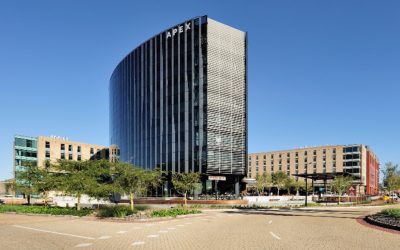
Some well-known office buildings include The Matrix, The Apex, and Sable Park. Larger shared spaces are also available for startups scaling their operations.
5. Salt River
Salt River is close to Woodstock but with slightly lower rental rates. It has a mix of old industrial buildings and newer commercial space. Salt River continues to attract entrepreneurial businesses looking for affordable commercial space close to the city centre. The area has benefited from the broader growth of Woodstock and Observatory while maintaining lower occupancy costs in many cases.
Why choose Salt River:
-
Affordable rent.
-
Access to public transport.
-
Industrial-style offices ideal for creative teams.
The area is practical for startups in product design, media, small-scale manufacturing, and logistics. It’s also within reach of the CBD, giving you access to city services without the cost.
Salt River has seen steady development but still retains flexible, affordable options. Many startups begin here before moving to more established areas.
6. Gardens
Gardens is close to the CBD but offers a more relaxed environment. It’s popular with creative professionals, small agencies, and startups that value flexibility.
Strengths of Gardens:
-
Smaller office units available.
-
Close to Kloof Street restaurants and cafes.
-
Easier parking than the CBD.
Gardens suits companies in branding, creative consulting, and design. While rental stock is limited, you can find flexible options in buildings like Wembley Square or shared setups in boutique spaces.
7. Claremont
Claremont is the commercial heart of the Southern Suburbs. It offers formal office parks, access to key schools and residential areas, and modern infrastructure. Claremont has emerged as one of the strongest commercial locations in the southern suburbs. The area attracts startups that want access to talent living in suburbs such as Rondebosch, Newlands, Constantia, Kenilworth, and the Southern Peninsula.
Why startups pick Claremont:
-
Close to a skilled talent base.
-
Formal buildings with strong IT support like 20 Vineyards, The Sunclare Building.
-
Access to Cavendish Square and key services.
Startups focused on education, finance, health services, or professional consulting often choose Claremont for its stable business environment. Office parks like Brookside and The Oval offer scalable options.
See our Office listings in Claremont
It’s also well-connected by road and rail, supporting both clients and team mobility. The node works particularly well for businesses operating in consulting, finance, education, technology, and healthcare sectors. For founders who live in the southern suburbs, Claremont often provides a practical alternative to daily commuting into the CBD.
8. Bellville & Tygervalley
Bellville is a growing business district in the Northern Suburbs. It’s positioned well for startups serving regional markets or requiring warehouse and back-office space. Many startup founders focus exclusively on the CBD and southern suburbs while overlooking opportunities in the northern suburbs. Tygervalley has developed into one of Cape Town’s largest office markets and offers several advantages for growing businesses.
See offices to let in Tygervalley
Businesses serving clients throughout the northern corridor often find Tygervalley a practical and cost-effective location. The node has also attracted a growing number of financial services, technology, and professional service businesses. For startups with founders, employees, or clients based in the northern suburbs, Tygervalley deserves serious consideration.
Key features:
-
Lower rental costs.
-
Access to transport routes like the N1.
-
Close to Tyger Valley, UWC, and other institutions.
Bellville supports companies in logistics, finance, education, and customer service. The area has a mix of commercial and light industrial space. Co-working options are fewer, but office parks like Parc du Cap and High Street Centre offer practical setups. Skyscape Terraces
OFFICE SPACE TO RENT BELLVILLE
9. Durbanville
Durbanville offers a more suburban setting. It’s suited to startups that are remote-first or need occasional team space. The area is secure and well-connected to northern suburbs talent.
Benefits of Durbanville:
-
Quiet and secure.
-
Lower rental rates.
-
Attractive for remote or hybrid companies.
It works for companies in consulting, marketing, or digital services that don’t need high foot traffic. While stock is limited, you can find boutique offices in mixed-use developments or repurposed homes.
10. Techno Park, Stellenbosch
Techno Park is about 40 minutes from Cape Town and is home to many tech and research-led businesses. It’s close to Stellenbosch University and draws talent from the academic and startup scenes.
Key reasons to consider Techno Park:
-
Access to engineering and tech graduates.
-
Structured office parks with secure setups.
-
Quiet setting ideal for product-focused teams.
Techno Park is best suited to startups in engineering, hardware, agritech, or fintech. While not in Cape Town itself, it supports companies that want access to capital and talent from Stellenbosch’s ecosystem.
Choosing the Right Area for Your Startup
The best area depends on what your startup needs. Use these questions to guide your choice:
-
Do you need easy access to clients and service providers?
-
Is your team fully remote, hybrid, or office-based?
-
How important is cost vs. visibility or networking?
-
Do you need nearby talent from universities or training providers?
Startups focused on growth and funding often start in the CBD or Woodstock, then expand into other areas as they scale. For some, location may depend on where team members live or what kind of work environment suits the business model.
Cost Considerations
Office rental prices vary by area and building grade. Here is a general guide for basic planning (subject to change based on market dynamics):
| Area | Typical Rent (per m²) |
|---|---|
| Cape Town CBD | R140 – R250 |
| Woodstock | R120 – R140 |
| Observatory | R165 – R200 |
| Century City | R130 – R180 |
| Salt River | R70 – R120 |
| Gardens | R100 – R185 |
| Claremont | R165 – R225 |
| Bellville | R70 – R120 |
| Durbanville | R60 – R150 |
| Techno Park | R80 – R130 |
These figures are general. Your cost will depend on space size, lease term, parking, and additional costs like rates, utilities, and shared facilities.
Cape Town gives startups a wide range of location options. Each area offers its own set of trade-offs. Your decision should align with your growth goals, team dynamics, and customer access. If you’re not sure where to start, focus on flexibility. Many startups begin with small spaces or co-working memberships, then move into larger offices as they grow. Always review lease terms carefully and make sure the space supports your next phase of growth.
The best startup locations are typically those that provide access to talent, create opportunities for collaboration, and allow businesses to scale without excessive occupancy costs. Based on current market trends, several areas continue to stand out as the strongest locations for startup businesses in Cape Town. One of the biggest changes in Cape Town’s startup ecosystem has been the growth of serviced offices and flexible workspace operators. Many startups no longer require traditional office leases during their early growth phases.
Cape Town offers one of the most diverse commercial property markets in South Africa. Whether a business is launching from a serviced office, occupying creative space in Woodstock, or scaling into a modern office in Century City, there are options available for every stage of growth.
The most successful startups often choose locations that align with their business objectives rather than simply chasing prestige. In Cape Town’s evolving commercial landscape, the strongest office location is usually the one that helps a business attract talent, serve clients effectively, and scale with confidence.
If you need help reviewing space options, comparing lease terms, or planning your next move, we can help.