Portside Tower Sale Recommended for Approval by Competition Commission
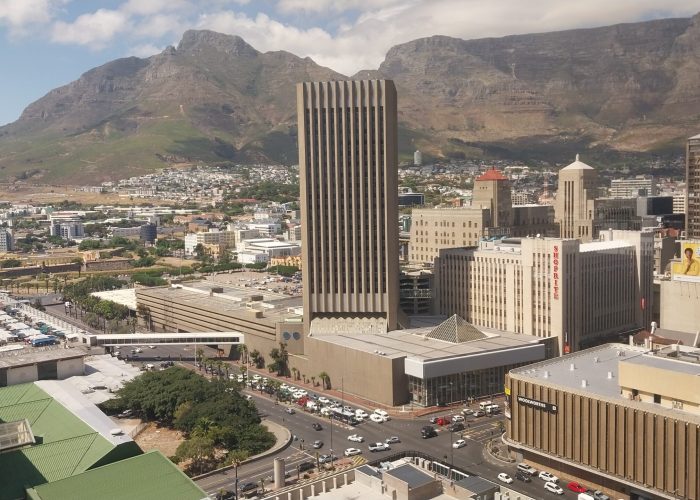
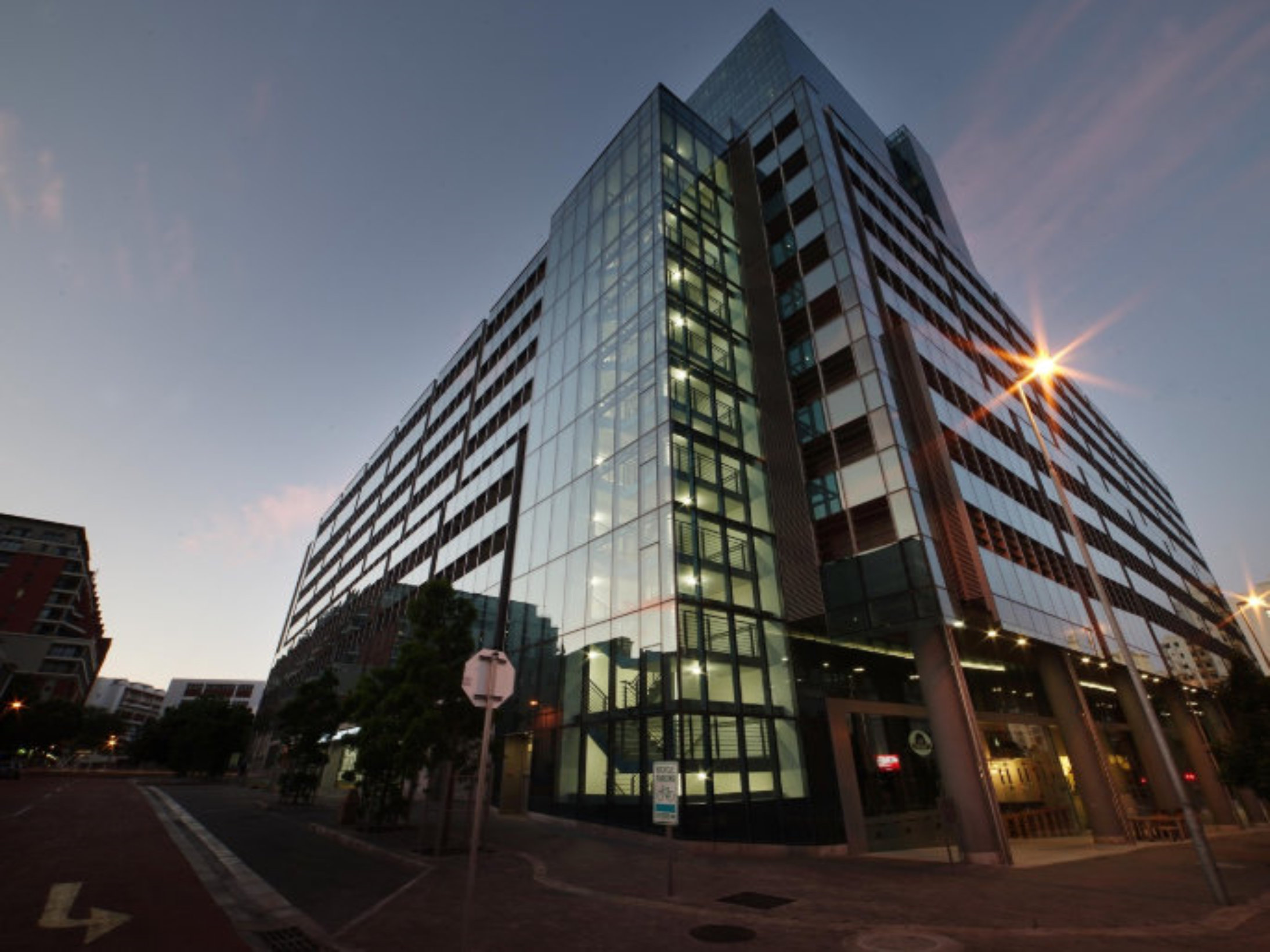
The Competition Commission has recommended approval for the sale of the bottom nine floors of Portside Tower, the tallest building in Cape Town, marking a significant development in the city’s commercial property landscape. The acquiring entity, Penalten, is wholly owned by the Cavaleros Group and brings a strong commercial property pedigree to the transaction. Penalten does not control any other firms and will take ownership of Grade A and Grade P office space in one of Cape Town’s most recognised skyscrapers. The transaction underscores continued investor confidence in the Cape Town CBD office market and adds new momentum to activity in one of the city’s premier business addresses.
Buyer Profile: Penalten and the Cavaleros Group
Penalten is part of the Cavaleros Group, which holds a portfolio of commercial property interests across South Africa’s major metropolitan areas. The group’s existing assets span office, retail, and mixed-use properties, positioning it as an established player in the commercial real estate sector.
Read more about The Portside Building
The acquisition of space within Portside Tower aligns with the group’s strategy of targeting high-quality core assets in key urban nodes. Penalten’s purchase adds a prominent Cape Town office component to its holdings and reinforces the appeal of Portside Tower as a strategic investment asset.
Portside Tower: Cape Town’s Tallest Office Building
Portside Tower stands at 5 Buitengracht Street in the Western Cape Central Business District, and is widely recognised as one of the iconic features of Cape Town’s skyline. The building comprises a mix of Grade A and Grade P office space and offers tenants premier commercial accommodation with excellent infrastructure and city connectivity. The tower’s location places it close to major transport links, public transport, financial institutions, and corporate services, making it a sought‑after address for local and international firms.
A Long and Interesting History
Portside Tower has a notable development history. The site was originally earmarked in 2008 for a much larger project that would have included a hotel rising to approximately 150 metres. That early plan involved a partnership between the Trump Organisation and Devland, holding equal stakes in a development pipeline reportedly worth over R5 billion. The vision included a mix of residential and hotel components, but the global financial environment and changing market conditions ultimately shifted the project toward commercial office use.
While the original hotel vision did not materialise, the site evolved into what is now Portside Tower — a landmark office building that dominates the Foreshore skyline and remains one of Cape Town’s standout commercial addresses.
What the Sale Means for the CBD Office Market
The Competition Commission’s recommendation to approve the sale of the bottom nine floors of Portside Tower reflects confidence in the Cape Town office sector. Several factors make the deal noteworthy:
- Investor Interest: The acquisition by Penalten demonstrates continued appetite for prime office assets in Cape Town’s CBD, even as global markets experience uncertainty.
- Core Asset Appeal: Portside Tower’s combination of location, building quality, and regional profile positions it as a core commercial asset with long-term value.
- Market Momentum: The transaction contributes to broader momentum in the Cape Town office market, where several redevelopment and repositioning initiatives have gained traction in recent years.
- Tenant Confidence: A stable ownership transition is likely to support tenant confidence, particularly in Grade A and P office space, which remains in demand among corporate occupiers.
Portside Tower in Context
Portside Tower’s position within the Cape Town CBD places it alongside other high‑profile nodes that attract professional services, financial firms, and corporate headquarters. The building’s accessibility, visibility, and infrastructure continue to make it a strategic location for businesses that require a central address with strong connectivity.
Portside Tower sits within a broader network of office buildings that define the Cape Town office market, from premium towers in the Foreshore to decentralised nodes such as Century City and Claremont. The presence of varied office environments allows companies to choose the location that best fits their operational needs and staff commuting patterns.
Looking Ahead
With the Competition Commission’s recommendation in place, the Portside Tower sale is poised to proceed subject to final regulatory procedures. The transaction will likely influence future investor sentiment in the Cape Town office sector and may encourage further activity in landmark office assets. As Cape Town’s commercial property market continues to adapt to changing demand patterns, strategic acquisitions like this one reaffirm the city’s appeal to institutional and corporate investors alike.