Cape Town’s warehouse market is experiencing significant growth, driven by a combination of strategic location, infrastructure development, and evolving business needs.
Strategic Location and Infrastructure
Cape Town’s position as a gateway to both domestic and international markets enhances its appeal for logistics and distribution. The city’s well-maintained road networks, efficient port facilities, and proximity to the Cape Town International Airport facilitate seamless movement of goods.
Demand from Local and National Businesses
The demand for industrial space is not only from local businesses but also from companies in other provinces seeking expansion opportunities. The Western Cape’s stable governance and business-friendly environment attract firms looking for reliable operational bases.
Speculative Development and Modern Facilities
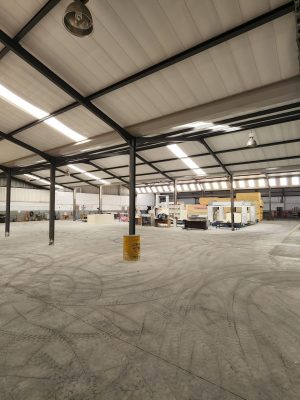
Developers are responding to the demand by constructing modern warehouses equipped with features like 24-hour security, energy-efficient systems, and ample space for logistics operations. These facilities cater to the needs of contemporary businesses requiring efficient and sustainable spaces.
Rental Growth and Low Vacancy Rates
The industrial property sector in Cape Town has seen consistent rental growth, with rates increasing by approximately 6.9% recently. Low vacancy rates indicate a tight market, emphasizing the high demand for quality industrial spaces. Cape Town’s warehouse boom is a result of its strategic advantages, proactive development, and the increasing demand from businesses seeking efficient and reliable industrial spaces. As the city continues to invest in infrastructure and maintain a business-friendly environment, the industrial property sector is poised for sustained growth.