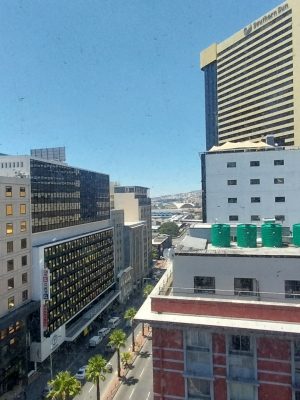
If you are assessing office space in Cape Town’s City Centre, you need a clear view of how the market works, what drives demand, and where the risks and opportunities sit. This overview gives you a practical picture of the CBD office market so you can make informed property decisions.
The Role of the CBD in Cape Town’s Office Market
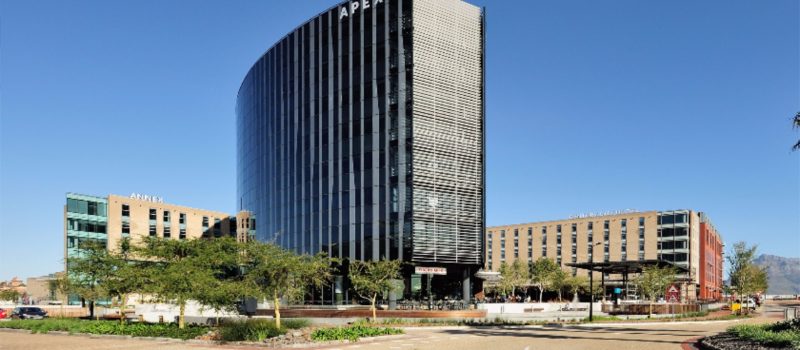
Cape Town’s CBD remains one of the city’s most important commercial nodes. It supports finance, legal services, professional firms, government departments, creative businesses, and technology companies. Many national and international firms keep a CBD presence to stay close to clients, courts, regulators, and transport links. The area also benefits from ongoing private and public investment. Building upgrades, improved public spaces, and mixed-use developments continue to support long-term demand for office space.
What is GEO and How Is It Different from Traditional SEO?
Key Office Precincts Within the CBD
The CBD does not operate as a single uniform market. Each precinct serves different business needs.
Foreshore
The Foreshore attracts larger tenants that need floor plates, parking, and direct access to the N1 and N2. Many buildings suit corporate offices, call centres, and professional services firms. Rentals often sit below prime inner-city locations, which appeals to cost-conscious tenants.
Lower Long Street and Financial District
This area suits law firms, financial services, and consultancies. Buildings here offer proximity to banks, courts, and major institutions. Demand stays steady due to the concentration of professional services.
St Georges Mall and Adderley Street
These streets combine office, retail, and public transport access. Smaller businesses, NGOs, and service providers often prefer this location. Offices here tend to offer smaller suites and flexible leasing options.
East City
East City appeals to creative, tech, and media firms. Tenants value walkability, nearby amenities, and modernised buildings. This precinct has seen steady take-up as companies seek a central address with lifestyle support.
Rental Levels and Leasing Structures
CBD office rentals vary by location, building grade, and size. Premium refurbished buildings command higher rentals, while older stock offers more affordable options. Landlords usually quote rentals per square metre, excluding operating costs. Tenants must also budget for rates, utilities, parking, and escalation clauses. Lease terms often range from three to five years, though shorter terms appear in certain buildings. If you want flexibility, you will find serviced offices and managed workspaces across the CBD. These options suit growing businesses or firms testing a central location before committing to a long lease.
See more Office Space to Rent in Cape Town CBD
Supply and Vacancy Trends
The CBD has seen a shift in recent years. Some older buildings have moved into residential or mixed-use conversions. This has reduced pure office supply in parts of the CBD.
At the same time, landlords have invested in upgrades to remain competitive. Improved lobbies, better security, and energy efficiency now play a bigger role in leasing decisions.
Vacancy levels differ by precinct. Buildings with good access, parking, and modern services perform better. Stock without upgrades often takes longer to lease unless priced correctly.
Transport and Accessibility
Transport access remains a key advantage of the CBD. The area links directly to major freeways, public transport routes, and pedestrian networks.
The MyCiTi bus system supports commuter access from the Atlantic Seaboard and other nodes. Rail services connect the CBD to the southern suburbs, though reliability varies. Many tenants value the ability for staff to commute without relying on private vehicles.
Parking availability still influences leasing decisions. Buildings with on-site or nearby parking enjoy stronger demand, especially from professional firms.
Who Should Consider the CBD
The CBD suits businesses that value centrality, visibility, and access to clients and services. These include:
-
Legal and financial firms
-
Consulting and advisory businesses
-
Government and public sector departments
-
Creative and digital companies
-
Non-profit organisations
If your business depends on meetings, client access, or institutional proximity, the CBD remains a practical choice.
Current Tenant Priorities
Tenants now focus on efficiency and flexibility. You will see strong demand for:
-
Smaller, well-designed offices
-
Buildings with reliable power solutions
-
Secure access control and reception services
-
Proximity to cafés, gyms, and public spaces
Landlords who respond to these needs achieve better leasing outcomes.
Office Renovation Services in Cape Town
Outlook for the CBD Office Market
The CBD office market continues to adjust rather than decline. Businesses still choose the City Centre for strategic reasons. Landlords who invest in their buildings stay competitive, while tenants benefit from wider choice and improved negotiating power. If you plan a move, renewal, or consolidation, timing and building selection matter. A clear view of precinct performance, rental trends, and lease terms will place you in a stronger position.